
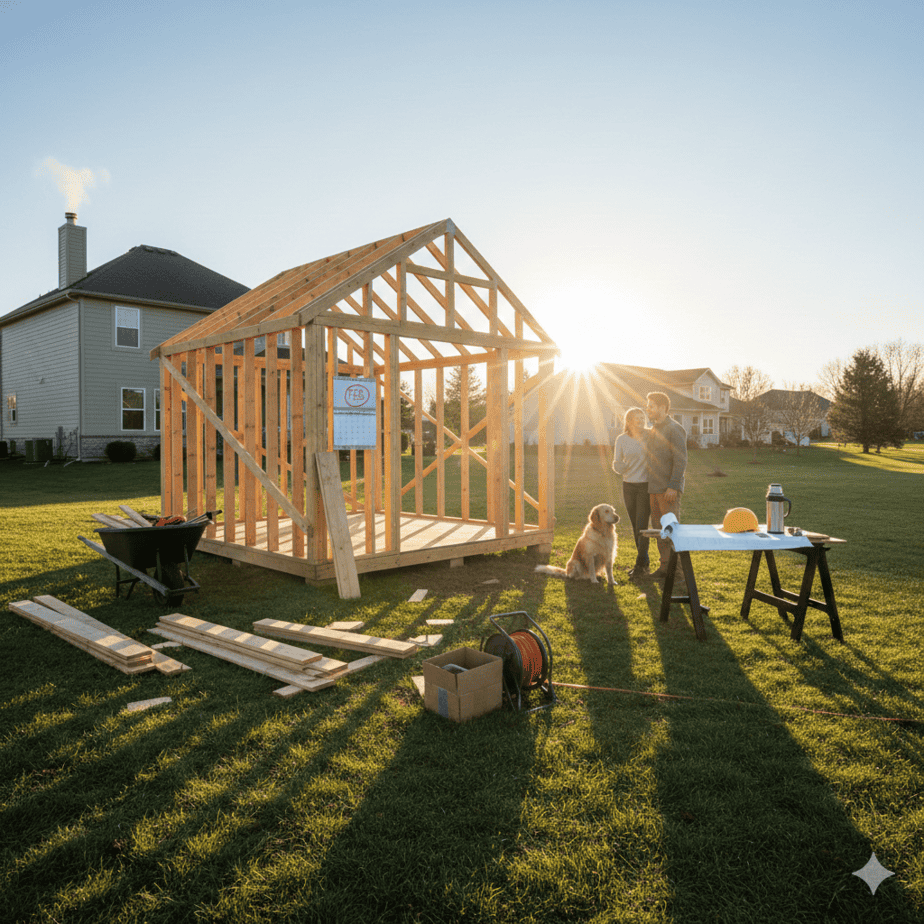
Let’s be honest: the gap between dreaming of a perfect backyard shed and actually standing inside your finished one can feel like a chasm. Many a DIY spirit has been fractured on the rocky shores of poor planning, unexpected delays, and that one infamous “quick trip” to the hardware store that turns into a half-day saga.
But it doesn’t have to be that way. The difference between a backbreaking ordeal and an empowering project lies in a realistic, thoughtful timeline. This isn’t just about counting days; it’s about managing your energy, your budget, and your sanity. Let’s build a schedule that builds your shed—and your confidence.
5 Phases of Creating a Shed Build Time Line That Works
The Mindset: Why Timeline is Everything
A shed is a marathon, not a sprint. A timeline is your training plan. It anticipates the hurdles, plans for rest stops, and visualizes the finish line. Without it, you’re running blind, and burnout is inevitable. The goal isn’t just to get it done, but to enjoy the process of creation.

Quick Navigation Menu
Phase 1: The Blueprint & Paperwork (1-4 Weeks)
Phase 2: Foundation & Floor (1 Weekend)
Phase 3: Walls & Roof Structure (1-2 Weekends)
Phase 4: The Closing in Envelope (1-2 Weekends)
Phase 5: Interior & Finishing Touches (1-2 Weekends)
The Golden Rules of Spirit Preservation
Related Reading
I Want a Shed… Now What? How to Start Without Getting Overwhelmed
How Do I Choose the Best Shed Plans? (Paid and Free)
Choosing a Shed Design That Matches Your Skill Level
Choosing the Right Shed Size for Your Yard Size
Dealing With Neighborhood Shed Rules: Your Guide to a Hassle-Free Build
Building a Shed as a Homeowner? Avoid These Costly Legal Mistakes
Why Did My Cheap Shed Cost So Much? — Budgeting the Right Way
Why Don’t My Shed Walls Line Up?
Phase 1: The Blueprint & Paperwork (1-4 Weeks)
Do not skip this phase. This is the foundation of your entire project.
Week 1: Dream & Research. What’s the shed’s primary purpose? Storage, workshop, she-shed, he-haven? Browse Pinterest, save inspiration photos. This is the fun part—let your imagination run.
Week 2: Design & Plan. Now, get practical. Choose between a kit or a from-scratch build. Sketch plans, create a materials list (add 15% for errors and off-cuts). This is where you decide on size, door/window placement, and roof style.
Week 3-4: Permits & Prep. Crucial Step: Visit your local building department. Learn about setback requirements, maximum size without a permit, and necessary codes. Applying for a permit can take time—factor it in. Simultaneously, prepare the site: mark the area, clear vegetation, and order any delivered materials (like concrete or gravel).
Pro-Spirit Tip: Rushing Phase 1 guarantees double the work in later phases. Embrace this planning stage. A detailed plan is a lifeline on frustrating days.
Phase 2: Foundation & Floor (1 Weekend)

A level, solid foundation is non-negotiable. Your entire shed depends on it.
Day 1: Lay the Foundation. Whether you choose concrete piers, a gravel pad, or a full concrete slab, this is heavy, precise work. Get help. Use a level and a laser level constantly. The mantra here is: “Measure twice, pour once.”
Day 2: Build the Floor Frame. Construct your floor frame (joists) on top of your foundation. Install the plywood subfloor. The moment you have a flat, sturdy platform to stand on, your motivation will surge.
Pro-Spirit Tip: Schedule material delivery (like concrete mix or lumber) for the Friday before this weekend. Wasting a beautiful building day waiting for a truck is spirit-crushing.
Phase 3: Walls & Roof Structure (1-2 Weekends)
Now it starts to look like a shed!
Weekend 1: Wall Framing. Build your walls flat on the deck. Mark stud locations precisely. With a helper, raise and brace each wall. This is intensely satisfying work—the skeleton rises quickly.
Weekend 2: Roof Trusses/Sheathing. Set your roof trusses or cut and install rafters. This is the most technically challenging part for many. Don’t hesitate to watch a few extra YouTube tutorials here. Then, sheath the roof with plywood.
Pro-Spirit Tip: Check the weather forecast religiously. You do not want your open-framed shed and fresh lumber soaked by a surprise rainstorm. Have tarps ready.
Phase 4: The Closing in Envelope (1-2 Weekends)
This phase locks out the weather and makes the space feel real.
Weekend 1: Roofing & Windows/Doors. Install roofing underlayment, then shingles (or metal roofing). Getting the roof watertight is a massive psychological win. Then, install your windows and door rough openings.
Weekend 2: Siding & Trim. Apply your chosen siding—vinyl, wood, T1-11. Install corner trim and door/window trim. The exterior personality emerges!
Pro-Spirit Tip: Order your windows and doors early. Their lead times can be unpredictable and are a major project bottleneck.
Phase 5: Interior & Finishing Touches (1-2 Weekends)

You’re in the home stretch.
Weekend 1: Insulation, Wiring, & Walls. If adding electricity or lighting, do it now (hire an electrician if needed). Install insulation and interior wall sheathing (plywood or drywall).
Weekend 2: Paint, Shelving, & Flooring. Paint the interior. Build and install simple shelving or workbenches. Consider a final floor covering like plywood paint or interlocking tiles.
Pro-Spirit Tip: Paint before you install shelves. It’s infinitely easier. And celebrate the small victories—painting a wall is a finish line in itself.
The Golden Rules of Spirit Preservation
Double the Time You Think You Need: Especially if you’re a first-timer. A 6-weekend project often takes 12. That’s okay—it’s not failure, it’s reality.
Budget for the Unexpected: Add a 20% contingency to your budget for that extra lumber, new tool, or pizza for friends who come to help.
Recruit a “Second”: Having one dedicated helper is worth more than three sporadic ones. Bribe them with food and future favors.
Schedule Breaks: Intentionally plan a weekend off in the middle. Go to a movie, forget the shed exists. You’ll return refreshed.
Focus on “Good Enough.” This is a garden shed, not the Sistine Chapel. Perfectionism is the enemy of done. Embrace the small imperfections; they’re proof you built it yourself.
Building your own shed is a profound accomplishment. By crafting a timeline that respects the process and your own limits, you’re not just constructing wood and nails—you’re building resilience, skill, and a deep, enduring pride. Now, go grab your calendar and start plotting your path to victory. Your future, less-cluttered, more-inspired self thanks you.