
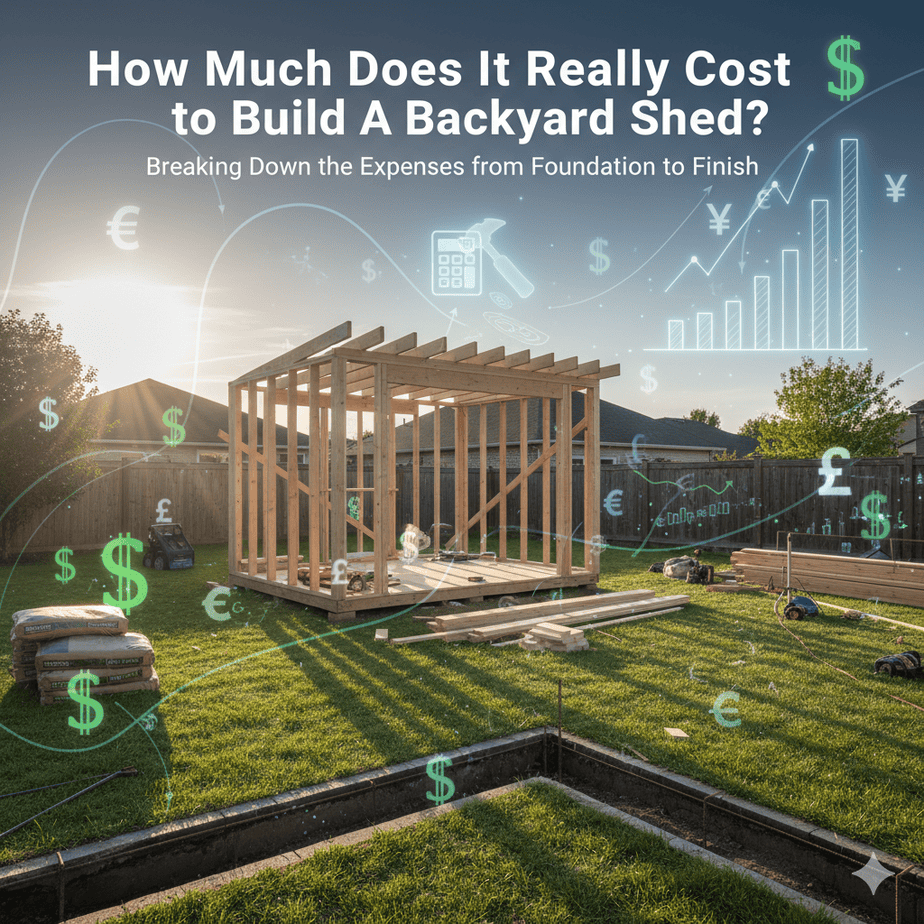
There’s something universally appealing about a backyard shed—that perfect extra space for storing lawn equipment, creating a workshop, or just claiming a little territory of your own. But between the dream and the reality lies one crucial question: what will this actually cost you?
The answer isn’t as simple as a single number, but rather a spectrum that typically ranges from a few hundred dollars for a basic DIY kit to over $30,000 for a fully finished, custom-built outbuilding. This comprehensive guide will demystify the real costs of building a backyard shed in 2025 and provide you with practical, actionable strategies to save money without compromising on quality.

How Much Does It Really Cost to Build a Backyard Shed?
Quick Navigation Menu
National Averages: What Homeowners Actually Pay
The Size Factor: How Dimensions Dictate Your Budget
Material Matters: Weighing Cost, Durability, and Aesthetics
Labor Costs: The DIY Versus Professional Help
Beyond the Basics: Additional Costs to Consider
Smart Savings: Practical Ways to Reduce Your Shed Costs
National Averages: What Homeowners Actually Pay
When embarking on a shed project, understanding the general financial landscape is essential. The typical price range for building a shed falls between $1,875 and $8,250, with a national average of approximately $3,350. However, these figures can be both higher and lower depending on your choices. Some homeowners report costs as low as $375 for a very basic structure, while elaborate custom builds with electricity and plumbing can reach $100,000.
This wide variance exists because the final price tag depends on several interconnected factors: size, materials, labor, and additional features. Prefabricated sheds represent the more affordable end of the spectrum, while custom-built structures offer more personalization at a higher price. Most homeowners spend between $15 and $150 per square foot for their shed projects, which includes both materials and professional installation.
The Size Factor: How Dimensions Dictate Your Budget

The single most significant factor affecting your shed’s cost is its size. Larger sheds require more materials, more extensive foundations, and more labor—all of which increase the overall expense. Understanding standard size categories and their associated costs will help you choose the right dimensions for both your needs and your budget.
Small sheds (up to 8×10 feet) are ideal for storing garden tools, lawnmowers, and seasonal equipment. These compact structures typically cost between $1,000 and $2,500. A common 8×8-foot shed (64 square feet) will likely cost around $5,120 at the average of $80 per square foot. These smaller structures are excellent candidates for DIY projects and can often be built without complex foundations.
Medium sheds (10×12 feet to 12×16 feet) offer significantly more space for workshops, larger equipment, or creating a small hobby area. This category represents the sweet spot for many homeowners, with costs ranging from $3,000 to $7,500. A 10×12-foot shed (120 square feet) typically costs between $1,800 and $18,000 depending on material quality and customization, while a 12×16-foot structure will likely fall in the $3,500 to $7,500 range for a DIY build.
Large sheds (16×20 feet or larger) essentially function as additional rooms—perfect for workshops, home offices, studios, or extensive storage. These substantial structures command prices from $10,000 to $20,000 or more. At this scale, you’re dealing with costs similar to a small home addition, often requiring proper foundations, insulation, and potentially utilities. A 12×24-foot shed, for instance, can cost between $4,320 and $43,200 depending on the finish level and materials.
Material Matters: Weighing Cost, Durability, and Aesthetics
Your choice of siding and framing material significantly impacts not only the shed’s appearance but also its cost, maintenance requirements, and lifespan. Each material offers distinct advantages and trade-offs.
Wood sheds provide a traditional, attractive look that blends naturally with most landscapes and can be customized with paint or stain. However, they require regular maintenance to prevent weather damage and pests. Wood sheds typically cost between $1,000 and $4,300 on average, with higher-end models reaching $15,000. The ongoing maintenance, including periodic painting or staining, adds to the long-term cost. Repairing wood siding costs approximately $3 per square foot, a factor worth considering in your long-term budget.
Metal sheds offer exceptional durability at a lower price point, making them a popular choice for budget-conscious homeowners. They’re resistant to insects and rot and typically require less maintenance than wood. However, they may not perform as well in areas with high wind or heavy rain, and they generally offer less aesthetic appeal. Metal sheds cost between $500 and $7,000 on average, with DIY kits at the lower end and custom installations at the higher end. For those seeking a purely functional storage solution, metal represents excellent value.
Vinyl or plastic sheds strike a balance between affordability and low maintenance. Vinyl is durable, resistant to rot and insects, and doesn’t require painting. These sheds cost between $750 and $4,000, primarily based on size and customization options. The potential downside is that plastic sheds may fade or become brittle over time due to sun exposure, potentially shortening their lifespan compared to other materials.
Brick sheds sit at the premium end of the material spectrum, offering exceptional durability and a timeless aesthetic. However, they require customization by a professional mason, dramatically increasing costs. Brick sheds typically cost between $15,000 and $30,000 because of the specialized labor and materials involved. Depending on the size and additional needs like a foundation, hiring a local mason can cost between $1,000 and $50,000, making this option prohibitive for most budgets.
Labor Costs: The DIY Versus Professional Help

One of the most significant decisions affecting your shed’s cost is whether to build it yourself or hire professionals. This choice can easily change your total project cost by 50% or more.
Hiring professionals ensures quality construction, saves you time and effort, and typically comes with a warranty. Professional builders charge between $50 and $100 per hour, with the total labor cost for a small shed potentially ranging from $1,000 to $3,000. For larger or more complex projects, labor expenses can exceed $5,000. The peace of mind that comes with professional installation is valuable, but it comes at a significant price.
The DIY approach can save you 30-60% of the total project cost by eliminating labor expenses. If you have basic carpentry skills, the right tools, and time to dedicate, building your own shed can be a rewarding project. For a medium-sized shed, DIY can bring costs down to a fraction of what professionals would charge. However, DIY isn’t free—you’ll still need to purchase materials, possibly rent specialized tools, and invest considerable time. Building a custom shed from scratch is not a beginner DIY project, as it involves foundation work, roofing, and compliance with safety standards and local building codes.
A middle ground exists in prefabricated shed kits, which cost between $1,500 and $4,000 on average. These kits include pre-cut materials and instructions, significantly reducing the construction time and skill required compared to building from scratch. Many homeowners find this option offers the perfect balance of cost savings and manageable labor.
Beyond the Basics: Additional Costs to Consider
The initial quote for a shed often doesn’t include everything you’ll need for a complete, functional structure. These additional expenses can substantially impact your overall budget.
The foundation is critical for your shed’s longevity and stability. While pole sheds don’t require a traditional foundation, most types do. A concrete slab—the most popular and durable foundation—costs around $6 per square foot to install. A gravel pad foundation is more budget-friendly at about $1.25 to $1.80 per square foot, but may not provide the same level of stability or longevity.
Utilities and insulation transform a basic storage shed into a functional living or working space. Adding electricity for lighting and outlets typically costs between $600 and $2,200. Insulation ranges from $1 to $3 per square foot to install, while a mini-split HVAC system for climate control can cost $2,500 to $5,000. Plumbing additions are even more expensive at $900 to $1,300.
Windows, doors, and custom features also add to the cost. Basic shed doors range from $100 to $300, while decorative options can reach $1,500. Windows typically cost between $70 and $120 for standard sizes, with custom shapes or sizes costing upward of $200. Don’t forget to factor in permits, which typically add $50 to $400 to your project, depending on local regulations.
Site preparation is another often-overlooked expense. Land clearing costs between $1,400 and $5,800 and may include tree clearing, brush removal, stump removal, and grading to create a level building surface. If you’re building on sloped land, leveling costs can range from $400 for a small area up to $2,800 for more extensive work.
Smart Savings: Practical Ways to Reduce Your Shed Costs

Building a shed doesn’t have to break the bank. With strategic planning and smart choices, you can significantly reduce costs while still creating a functional, attractive structure.
Plan and design strategically. Careful planning is your most powerful tool for controlling costs. Choose standard dimensions that make efficient use of standard lumber sizes (8-foot, 10-foot, and 12-foot lengths) to minimize cutting waste. Always add a 10-20% buffer to your budget for unexpected expenses, especially given how lumber prices can fluctuate. Research permit requirements early to avoid fines or forced removal later. Consider seasonal discounts—contractors are often less busy in late fall and winter, potentially offering better pricing.
Make smart material choices. Instead of solid wood trim, opt for composite trim, which can save you $100 to $200 and often comes pre-primed. Consider building a custom door rather than buying a pre-hung one—materials for a custom door typically cost $150 or less compared to $1,000 or more for premium pre-hung doors. Use oriented strand board (OSB) siding instead of plywood or solid wood—OSB panels are structural, primed before sale, and can cost $500 less than cedar plywood siding. For windows, consider affordable arch-top windows that cost $50 to $70 rather than fancy custom windows that can run $400 or more.
Implement construction savings. If you’re hiring professionals, always get 2-3 quotes, as prices can vary by 40% or more between builders. Consider a gravel pad foundation instead of concrete—it’s significantly more affordable at $1.25 to $1.80 per square foot versus $6 for concrete. Build on a level site to save on foundation work and land preparation costs. If you’re doing a DIY build, rent specialized tools instead of purchasing them to avoid substantial upfront investments. Look for recycled building materials at local salvage yards, which can offer unique character at a fraction of the cost of new materials.
The real cost of building a backyard shed spans a remarkably wide range—from about $1,000 for a basic DIY structure to $15,000 or more for a professionally built, fully featured outbuilding. The final price tag ultimately depends on how you balance size, materials, labor, and additional features. By understanding where the costs lie and implementing strategic savings approaches, you can make informed decisions that align with both your vision and your budget.
Remember that the cheapest option isn’t always the most cost-effective in the long run. Investing in quality materials and proper construction from the outset can prevent expensive repairs down the line. A well-built, sturdy shed can last for decades, while a cheaper alternative may need replacing in just a few years. Whether you choose a simple garden shed for your tools or a spacious workshop for your projects, careful planning and smart choices will ensure your new shed provides value and satisfaction for years to come. Your perfect backyard shed is within reach—it just takes the right combination of dreaming and practical budgeting to make it a reality.

Related Reading
DIY Shed Budgeting: Where to Save and Where to Splurge
A Step-by-Step Guide to Building Your First Backyard Shed
Affordable Materials That Don’t Sacrifice Shed Durability
Questions and Answers
Question: What is the average cost to build a backyard shed?
Answer: The average cost to build a backyard shed ranges from $1,000 to $5,000, depending on size, materials, and whether you build it yourself or hire a professional.
Question: Is it cheaper to build a shed or buy a prefabricated one?
Answer: Building a shed is often cheaper if you DIY, especially with basic materials. However, prefabricated sheds may be more cost-effective when you consider time, labor, and included features.
Question: How much does it cost to hire a contractor to build a shed?
Answer: Hiring a contractor typically costs $50–$100 per square foot, with most professionally built sheds falling between $3,000 and $10,000 depending on complexity.
Question: What’s the biggest cost factor when building a shed?
Answer: Materials are usually the largest expense, especially lumber and roofing. Size and customization also significantly affect total cost.
Question: How much does it cost to build a foundation for a shed?
Answer: A basic gravel foundation costs around $150–$500, while a concrete slab can cost $1,000–$2,500 depending on size and local labor rates.
Question: What materials are cheapest for building a shed?
Answer: Plywood siding, basic framing lumber, and asphalt shingles are typically the most budget-friendly materials. Using recycled or reclaimed materials can also reduce costs.
Question: How much does a DIY shed cost compared to hiring a pro?
Answer: A DIY shed typically costs 30–60% less than a professionally built one—often around $800 to $2,000 depending on size and material choices.
Question: Do I need permits to build a shed, and how much do they cost?
Answer: Permit requirements vary by location. Fees typically range from $20 to $250. Some areas do not require permits for sheds under a certain size (like 120 sq ft).
Question: Can I save money by using a shed kit?
Answer: Yes. Shed kits cost between $1,000 and $4,000 and include pre-cut materials, which can reduce both waste and build time. They are a good middle-ground option between DIY and hiring a contractor.
Question: What hidden costs should I expect when building a shed?
Answer: Common hidden costs include delivery fees, paint or stain, hardware, foundation materials, roofing upgrades, windows, and insulation. These can add $100–$1,000+ depending on your choices.